Smart home technology is changing how you manage everyday activities, from controlling lights to monitoring home security. The top smart home trends to watch in 2026 focus on making homes more connected, energy-efficient, secure, and convenient. With new developments in artificial intelligence, wireless connectivity, and automation, smart devices are becoming more useful for everyday household needs.
One of the biggest changes is the growing ability of smart home devices to work together. AI-powered assistants, connected appliances, smart lighting, and security cameras can help automate routine tasks and simplify home management. In addition, technologies such as Matter and Thread are improving compatibility between supported devices from different manufacturers.
However, choosing the right technology requires more than following the latest trends. You should consider your budget, privacy, device compatibility, and potential energy savings before upgrading your home. Understanding the top smart home trends to watch in 2026 can help you identify useful innovations and build a connected home that suits your lifestyle.
1. AI-Powered Smart Home Automation
Artificial intelligence is becoming an important part of smart home technology. Instead of relying entirely on fixed schedules, newer systems can use sensor data, device activity, and user-defined preferences to make automation more responsive.
For example, a smart home system might adjust compatible lighting when a room becomes occupied or use temperature readings to help manage heating and cooling.
Key Features and Developments
- Context-aware automation: Devices can respond to occupancy, temperature, and light levels.
- Smarter voice assistance: AI assistants are moving toward more natural conversations and flexible requests.
- Personalised routines: Compatible systems can support routines based on household preferences.
- Simplified control: AI features may help users manage several connected devices through fewer commands.
Not every smart home system can independently learn routines. Some AI features also require subscriptions or compatible hardware.
2. Matter and Thread Improve Device Compatibility
Compatibility has long been a challenge for smart home users. A device designed for one ecosystem may not support all the functions available through another.
Matter is a smart home connectivity standard designed to improve interoperability between compatible products. Thread is a low-power wireless networking technology used by many smart home devices.
Key Developments to Watch
- More devices designed to work across supported smart home platforms.
- Easier setup for compatible products.
- Better opportunities to combine devices from different manufacturers.
- Local communication in supported configurations.
- Greater emphasis on checking connectivity standards before purchasing.
Matter does not guarantee that every feature will work identically across all platforms. Always check the device’s supported functions and controller requirements.
3. Smarter Voice Assistants and Connected Home Hubs
Voice assistants are evolving beyond basic commands such as turning on lights or playing music. In 2026, the focus is increasingly on natural conversations and controlling multiple connected devices through a central interface.
Smart displays and home hubs can bring lighting, cameras, thermostats, locks, and entertainment controls together.
What to Expect
- More conversational voice interactions.
- Control of multiple devices through a single command.
- Personalised routines for household members.
- Visual dashboards for managing connected devices.
- Better integration between voice assistants and compatible automation systems.
For example, one routine could dim the lights, adjust a compatible thermostat, and switch off selected entertainment devices when you are ready for bed.
4. Energy Management and Smart Electricity Monitoring
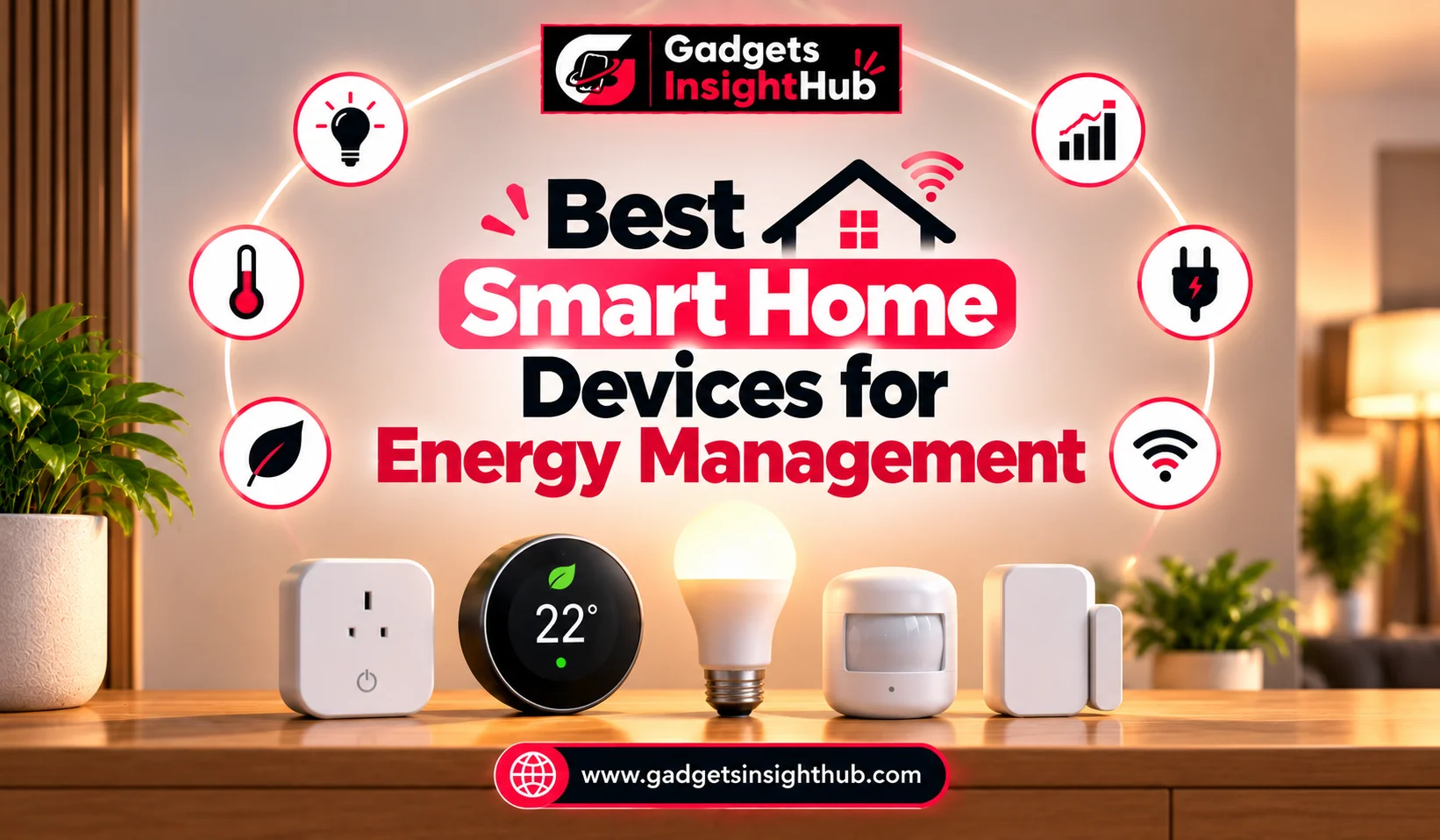
Smart plugs, energy monitors, connected thermostats, and intelligent appliances can help households understand and manage electricity consumption.
These devices are useful when you want to identify energy-intensive appliances or schedule equipment around your daily routine.
Key Developments
- Real-time electricity consumption monitoring.
- Smart plugs that report energy usage.
- Automated heating and cooling schedules.
- Integration with solar panels and home batteries on compatible systems.
- Energy management based on electricity tariffs where supported.
- Alerts for unusual consumption patterns on compatible devices.
For Indian households, energy monitoring can help identify appliances that consume substantial electricity, particularly air conditioners and water heaters.
However, monitoring alone does not guarantee lower bills. Actual savings depend on electricity tariffs, appliance efficiency, and how you use the information.
5. Smarter Home Security and AI Detection
Home security is becoming more intelligent as cameras, doorbells, locks, and sensors gain improved detection and automation capabilities. Instead of receiving an alert for every movement, compatible systems can distinguish between selected types of activity.
For example, a camera may identify a person while a door sensor reports that an entrance has opened. Connected devices can then support more useful security routines.
Smart Security Features to Watch
- Person, pet, and vehicle detection.
- Motion tracking and custom activity zones.
- Smart video doorbells with two-way communication.
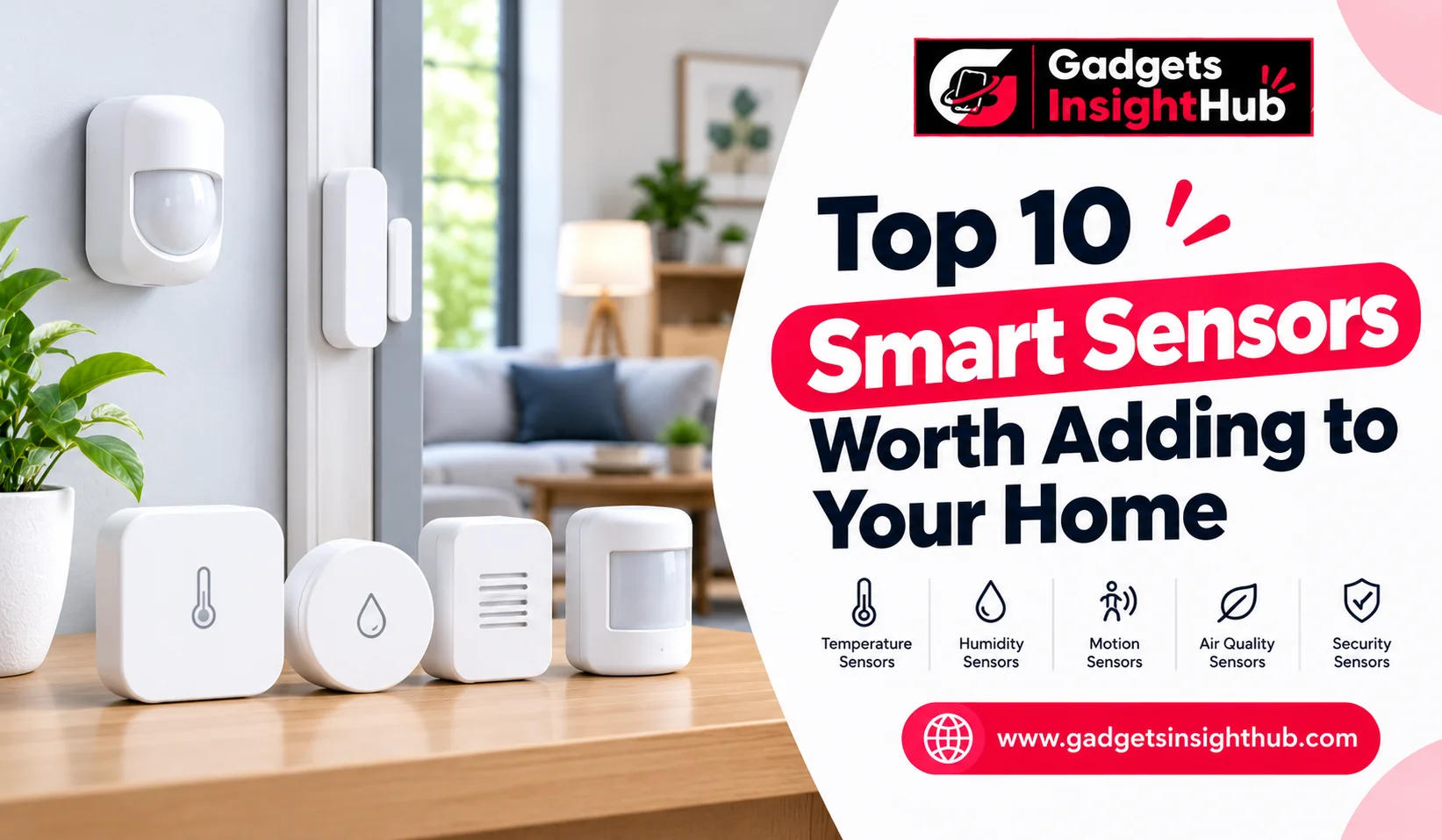
- Connected door and window sensors.
- Remote access management for smart locks.
- Automated lighting triggered by compatible security sensors.
- Local video processing and storage options.
Before buying a camera or smart lock, check its data-storage policy, security updates, account protection, and subscription requirements.
6. Smart Appliances That Reduce Everyday Work
Smart appliances are moving beyond simple remote operation. Many connected washing machines, refrigerators, ovens, and dishwashers offer monitoring, maintenance alerts, or automated settings.
The main benefit is making routine household work easier to manage.
Examples of Smart Appliance Features
- Washing machines that provide cycle updates and maintenance alerts.
- Refrigerators with inventory tools or temperature notifications on selected models.
- Ovens with app-based monitoring and guided cooking features.
- Dishwashers with cycle scheduling and status notifications.
- Air conditioners with remote control, timers, and energy monitoring.
- Robot vacuums with room mapping and automated cleaning schedules.
These features can be useful for busy households. However, capabilities vary by brand and model, so check the available functions before paying extra for connected features.
7. Healthier Homes Through Air-Quality Monitoring
Indoor air quality is gaining attention as homeowners look for ways to manage dust, cooking fumes, humidity, and other environmental factors.
Connected air-quality monitors, smart air purifiers, and humidity sensors can help you understand changing indoor conditions and respond when necessary.
Important Features
- Monitoring of particulate matter on compatible devices.
- Temperature and humidity readings.
- Air-quality alerts through a smartphone app.
- Automatic purifier operation based on sensor readings.
- Connected ventilation or fan controls where supported.
- Filter replacement reminders.
For example, a compatible air purifier may increase its operating level when its sensors detect higher particle concentrations.
However, consumer air-quality monitors cannot detect every possible indoor pollutant. Choose sensors based on the specific environmental issue you want to monitor.
8. Robot Vacuums and Automated Floor Care
Robot vacuums are becoming more capable through improved navigation, room mapping, obstacle recognition, and automated maintenance. Some models combine vacuuming and mopping with docking stations that handle selected cleaning tasks.
These improvements make automated floor care more practical for households with busy schedules.
Trends to Watch
- Better room mapping and route planning.
- Recognition of selected household obstacles.
- Separate cleaning schedules for different rooms.
- Vacuuming and mopping in one device.
- Automated mop washing and drying on selected models.
- Automatic dust collection through compatible docks.
- Customisable cleaning routines through mobile apps.
When comparing models, consider your floor type, pet hair, furniture layout, and the amount of maintenance you are willing to perform. A more expensive robot is not necessarily the best choice for every home.
9. Stronger Privacy and Local Smart Home Processing
As more household devices collect information, privacy is becoming an important consideration. Smart cameras, voice assistants, door locks, and occupancy sensors may handle sensitive information about daily activities.
One development to watch is greater use of local processing, where compatible devices can perform certain functions inside the home rather than sending every request to a remote server.
Why This Matters
- Some commands may continue working during an internet outage.
- Local processing can reduce dependence on cloud services.
- Homeowners may gain more control over recorded information.
- Local automations can improve responsiveness.
- Clearer privacy settings can make connected devices easier to manage.
Local processing does not automatically make a device completely private or secure. Review permissions, encryption, software updates, remote access settings, and data-retention policies.
10. Smart Outdoor Living and Garden Automation
Smart home technology is expanding beyond indoor spaces. Connected outdoor cameras, irrigation controllers, garden sensors, robotic lawn equipment, and smart lighting can help homeowners manage outdoor areas with less manual effort.
This trend is relevant to people with gardens, terraces, driveways, balconies, or outdoor entertainment areas.
Features Gaining Attention
- Automated garden watering based on schedules and available sensor data.
- Outdoor lighting controlled by timers or motion sensors.
- Weather-resistant cameras for entrances and gardens.
- Soil moisture monitoring for plants.
- Robotic lawn-care equipment on suitable properties.
- Remote control of compatible outdoor appliances.
For homes in India, weather-resistant equipment and sensible water management are important considerations. Check the device’s outdoor protection rating, connectivity requirements, and suitability for local weather conditions.
Smart Home Trends in 2026: Quick Comparison
| Trend | Main benefit | Best suited for |
| AI-powered automation | More responsive routines | Homes with connected devices |
| Matter and Thread | Better compatibility | Multi-brand smart homes |
| Smarter voice assistants | Easier device control | Families and busy households |
| Energy management | Greater visibility into consumption | Energy-conscious homeowners |
| AI home security | More relevant alerts | Homeowners and frequent travellers |
| Smart appliances | Easier household management | Busy families |
| Air-quality monitoring | Better environmental awareness | Homes concerned about indoor air |
| Robot floor care | Less manual cleaning | Homes with regular cleaning needs |
| Local processing | More control over data and connectivity | Privacy-conscious users |
| Outdoor automation | Easier garden and exterior management | Homes with outdoor spaces |
How to Prepare Your Home for Smart Technology in 2026
You do not need to adopt every new trend at once. Start with devices that solve your biggest everyday problems.
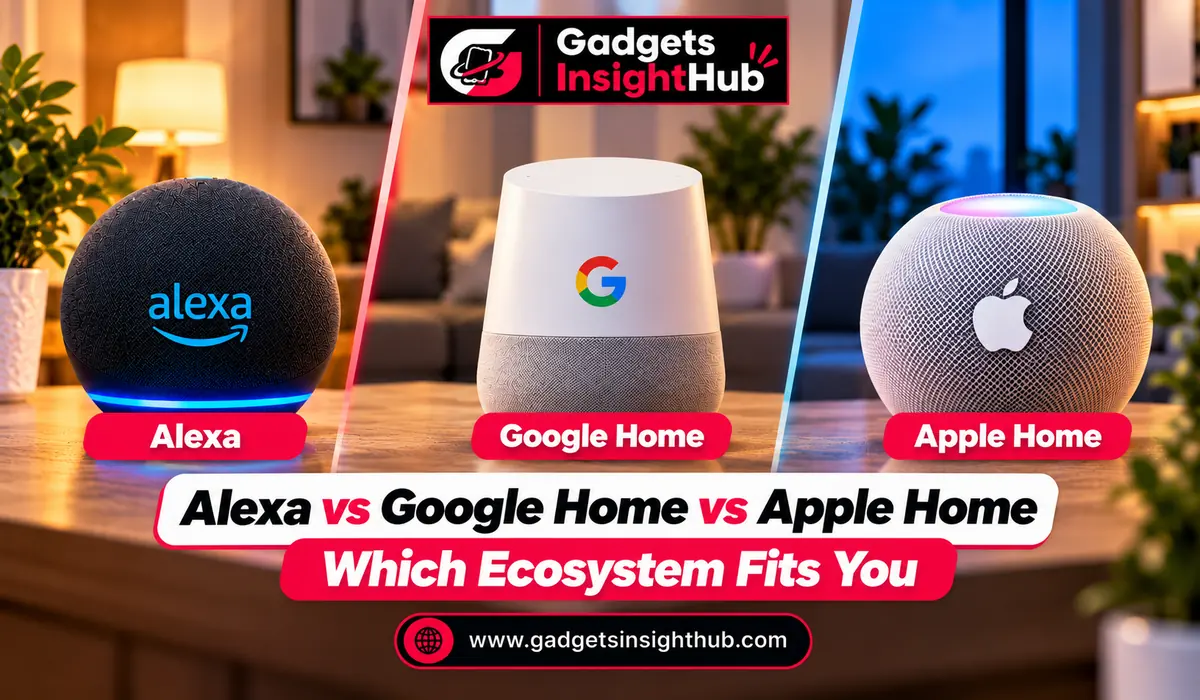
- Choose your ecosystem: Decide which smart home platform suits your existing devices and preferred controls.
- Check compatibility: Look for Matter support when cross-platform compatibility matters, but confirm the specific functions available.
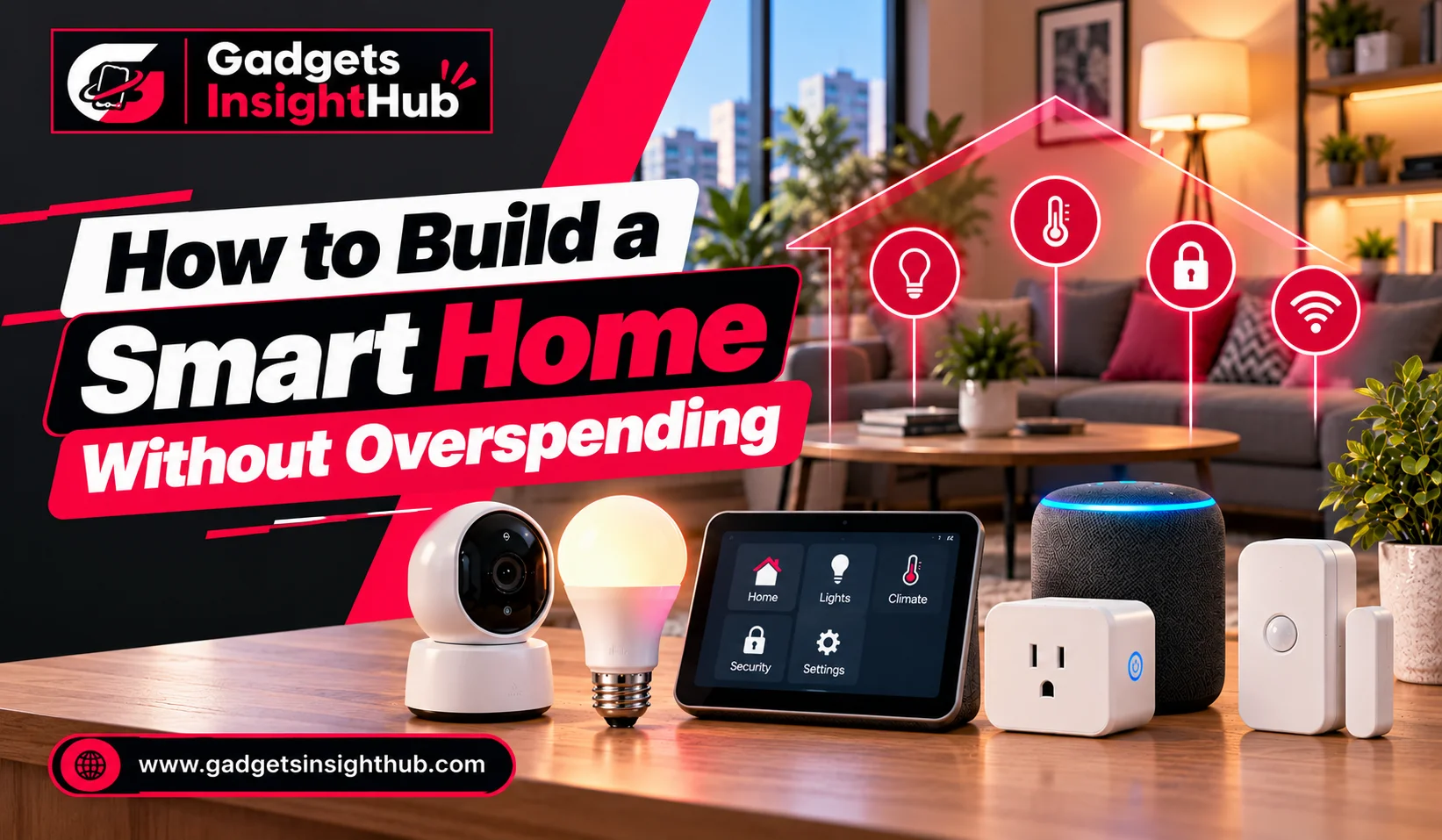
- Start with useful upgrades: Smart plugs, lighting, security sensors, and energy monitors can be good starting points.
- Protect your network: Use strong passwords, enable two-factor authentication, and keep device software updated.
- Plan for long-term costs: Consider hubs, subscriptions, batteries, replacement parts, and installation expenses.
- Expand gradually: Add more devices only when they offer a clear benefit to your routine.
Frequently Asked Questions
1. What is the biggest smart home trend in 2026?
AI-powered automation is one of the major smart home trends, alongside improved device compatibility, energy management, and more intelligent home security.
2. Is Matter important when buying smart home devices?
Matter can make it easier for compatible devices from different manufacturers to work with supported smart home platforms. However, you should verify device compatibility, controller requirements, and available features.
3. Can smart home technology reduce electricity bills?
Smart plugs, energy monitors, and connected climate controls can help you identify energy waste and manage consumption. Savings depend on your usage habits, appliance efficiency, and electricity rates.
4. Are smart homes safe from hackers?
No connected device is completely immune to security risks. Strong passwords, two-factor authentication, secure Wi-Fi, regular updates, and careful access management can reduce the risk.
5. How can beginners start building a smart home in 2026?
Begin with one or two useful devices, such as a smart bulb, smart plug, or security sensor. Check compatibility with your preferred platform, learn how its automation works, and expand your setup gradually.