
Smartwatches have evolved from simple digital accessories into practical devices that support fitness, communication, personal organisation, and everyday convenience. Modern models offer dozens of functions, but not every feature deserves equal attention. Some tools genuinely save time, encourage healthier habits, and make daily routines easier, while others may remain unused after the first few days.
Choosing a smartwatch becomes simpler when you understand which capabilities provide lasting value. Features such as health monitoring, smartphone notifications, GPS navigation, sleep tracking, and contactless payments can make a noticeable difference depending on your lifestyle. Battery management, emergency assistance, and customisable reminders can also improve the overall experience.
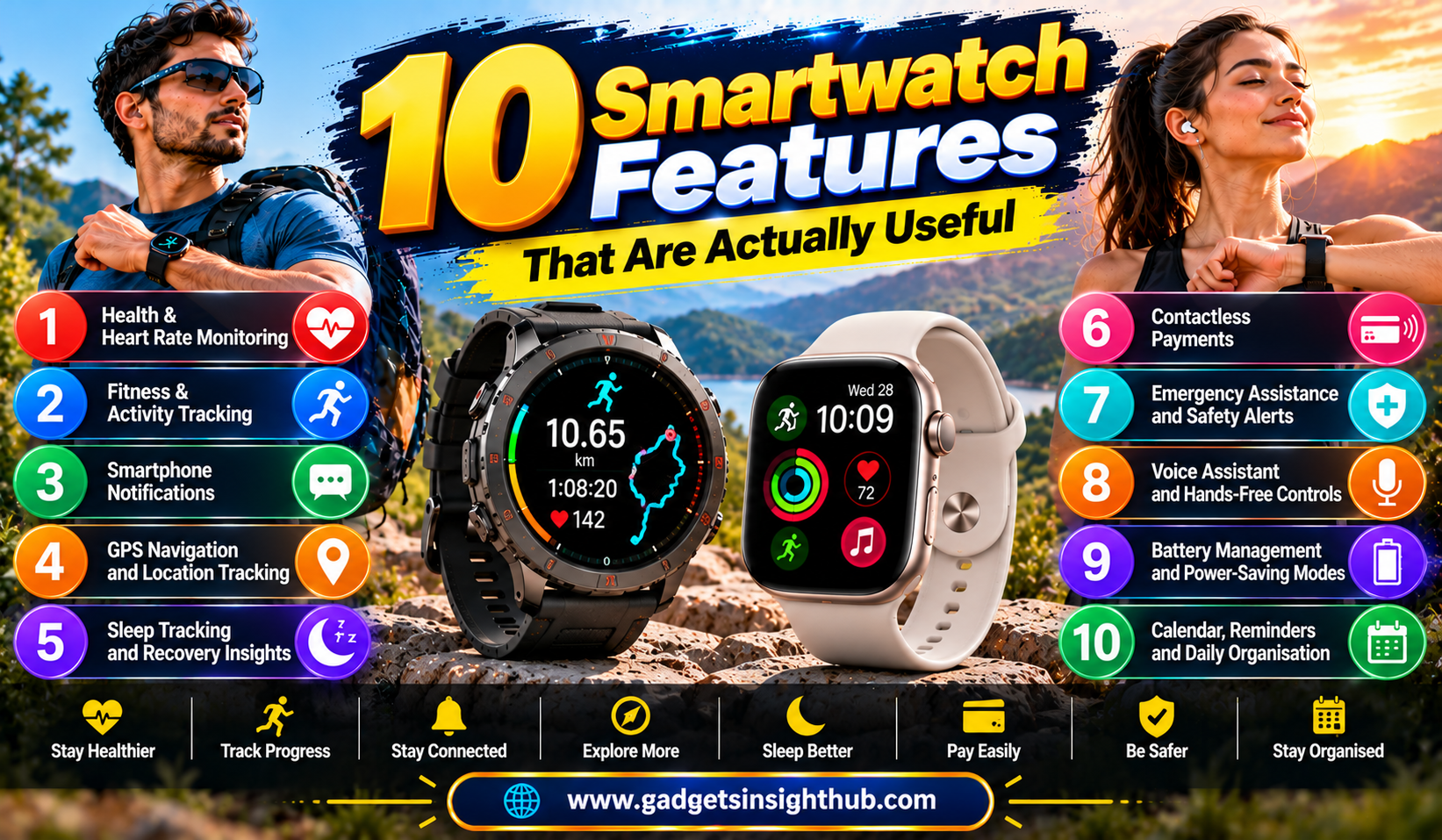
Whether you are purchasing your first smartwatch or upgrading an existing device, focusing on practical functions can help you make a better decision. Here are ten smartwatch features that are genuinely useful and worth considering before buying a new wearable.
1. Health and Heart Rate Monitoring
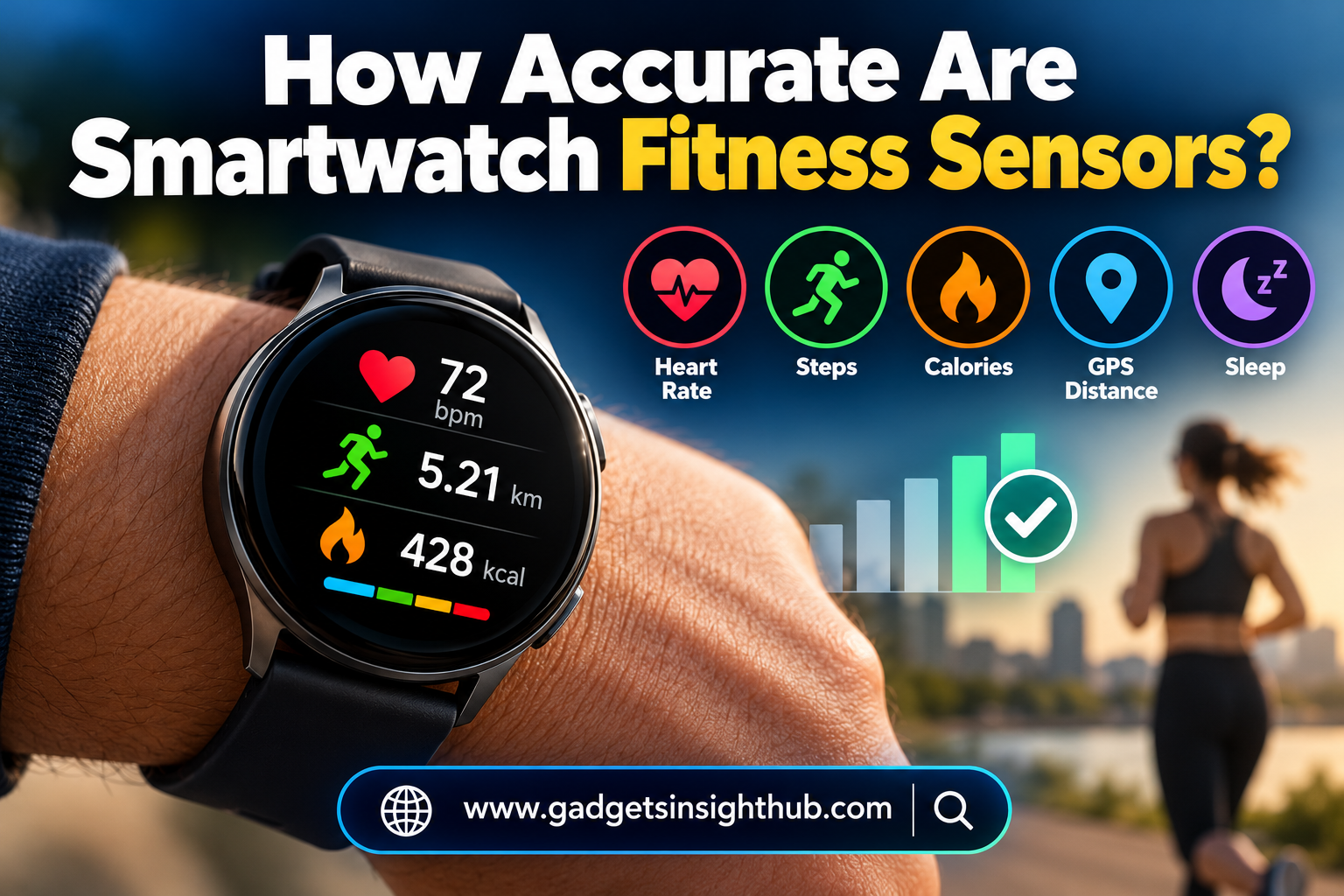
Heart rate monitoring is one of the most useful smartwatch features because it helps users observe changes in their physical activity and general wellness. Optical sensors measure pulse at regular intervals or during selected activities, providing information that can be reviewed through the watch or its companion application.
During exercise, heart rate measurements help users understand how intensely they are working. Someone walking for fitness may notice a gradual increase in cardiovascular effort, while a runner can review heart rate alongside pace and distance. Over time, these observations can help people recognise their usual activity patterns.
Some smartwatches also provide resting heart rate information and alerts when measurements fall outside configured thresholds. Certain models include electrocardiogram functions or irregular rhythm notifications, subject to device capabilities and regional availability.
However, wrist-based measurements are estimates and can be affected by movement, fit, skin characteristics, and sensor limitations. They should not replace professional medical assessments.
This feature is especially useful for people who exercise regularly, want to understand their activity levels, or prefer convenient access to basic wellness information.
2. Fitness and Activity Tracking
Fitness tracking makes a smartwatch valuable even for people who do not follow a formal exercise programme. Most modern devices can count steps, estimate distance, record active minutes, and summarise daily movement.
These measurements help users understand how active they are throughout the day. Someone working at a desk may discover that most movement occurs during a short evening walk. A daily activity summary can encourage small changes, such as taking the stairs, walking during breaks, or choosing a longer route home.
Smartwatches also support different workout modes, including running, cycling, swimming, strength training, and indoor exercise. Depending on the model, users can review duration, pace, heart rate, and other workout statistics.
Activity goals provide a simple way to maintain consistency. Instead of concentrating exclusively on intense exercise sessions, users can monitor movement across the entire day.
The most useful fitness tracker is one that presents understandable information without creating unnecessary pressure. Step counts and calorie estimates are not perfectly precise, so they are best used to observe general patterns rather than judge performance with absolute accuracy.
3. Smartphone Notifications
Smartphone notifications allow users to check important information without repeatedly taking their phones out of their pockets or bags. A smartwatch can display incoming calls, text messages, calendar reminders, and alerts from supported applications.
This feature is particularly helpful during meetings, commuting, shopping, or outdoor activities when accessing a phone may be inconvenient. A quick glance can reveal whether a notification requires immediate attention or can wait until later.
Many models allow users to customise which applications can send alerts. This helps reduce distractions by prioritising essential communications and silencing less important updates.
Some smartwatches also support quick replies, voice responses, or call handling. These capabilities depend on the device, connected phone, and available network services.
Notifications are most useful when configured carefully. Receiving every social media update, promotional message, and application alert can make a smartwatch distracting rather than helpful.
By limiting notifications to important contacts and applications, users can stay informed while maintaining better control over their attention throughout the day.
4. GPS Navigation and Location Tracking
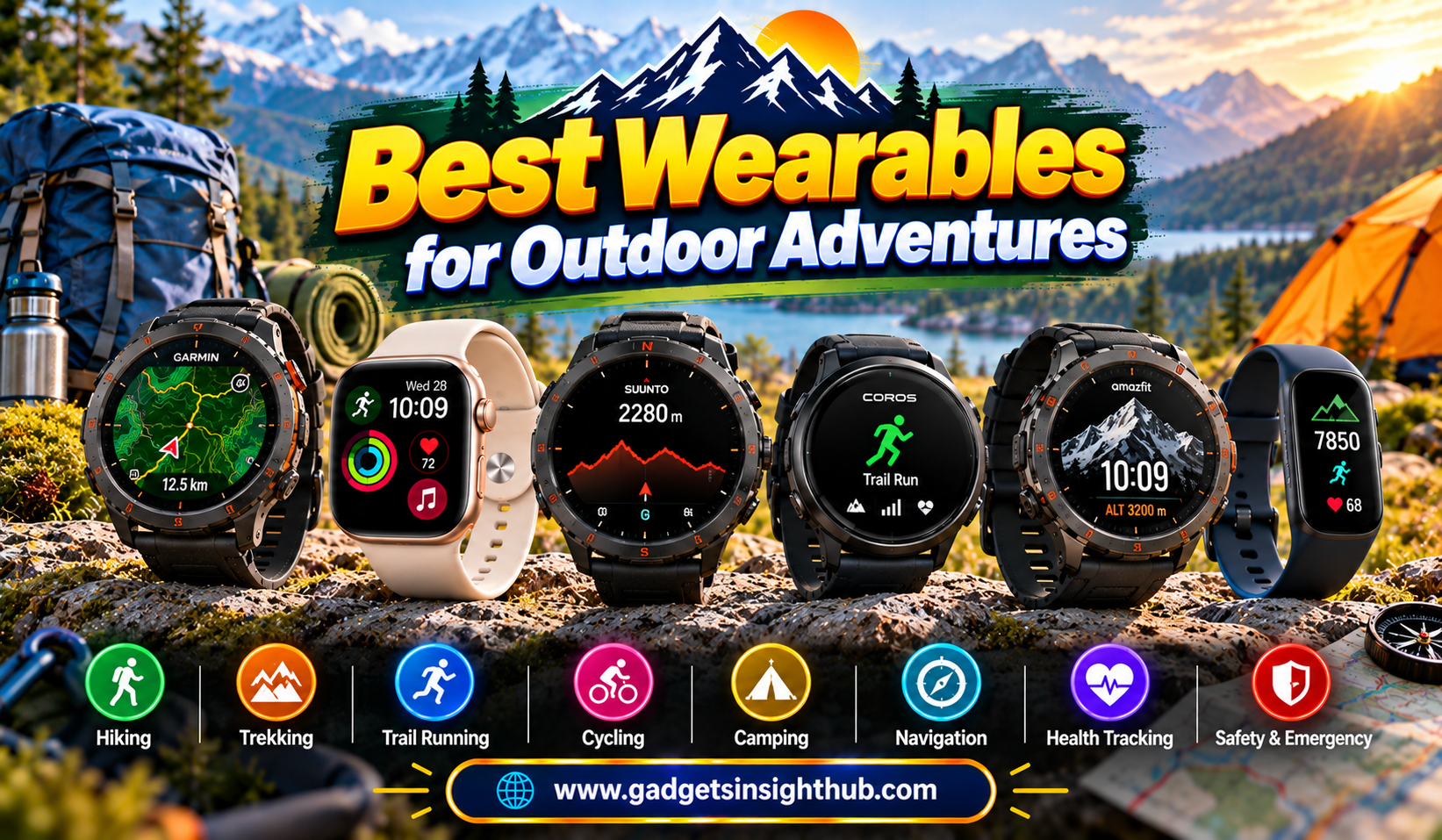
Built-in GPS is a valuable feature for runners, cyclists, hikers, travellers, and people who frequently explore unfamiliar places. Compatible smartwatches can record outdoor routes and measure distance without depending entirely on a smartphone for positioning.
During exercise, GPS information helps users review pace, distance, and route details. Runners can compare sessions, while cyclists can examine completed routes and track improvements over time.
Navigation capabilities vary between devices. Some watches display maps or turn-by-turn directions, while others provide basic route recording or directional guidance through supported applications. Certain models rely on a connected phone for some navigation functions.
Location features can also be useful when travelling. Users may follow directions while walking through a city without constantly checking their phones.
However, GPS accuracy depends on satellite visibility, surroundings, and device design. Tall buildings, dense forests, and difficult terrain can affect positioning. GPS usage can also consume additional battery power.
For anyone who exercises outdoors or travels regularly, reliable GPS functionality can make a smartwatch significantly more useful.
5. Sleep Tracking and Recovery Insights
Sleep tracking helps users understand their sleeping routines and recognise patterns that may affect their daily energy levels. Compatible smartwatches can estimate sleep duration, identify periods of wakefulness, and provide information about different sleep stages.
Some devices also record overnight heart rate, breathing-related measurements, or other supported wellness indicators. These readings can help users review their routines across multiple nights rather than relying on a single observation.
For example, someone might notice that their sleep schedule becomes inconsistent during busy working weeks. Reviewing these patterns can encourage more regular bedtimes and better preparation for rest.
Selected smartwatches provide recovery estimates based on sleep, activity, and physiological measurements. These tools can offer additional context when planning exercise, although they should not determine training decisions automatically.
Comfort is essential for effective sleep tracking. A bulky watch or poorly adjusted strap may discourage overnight wear, making consistent measurement difficult.
Sleep tracking is most useful when it encourages realistic improvements in daily habits. It cannot diagnose sleep disorders, and persistent sleep problems should be discussed with a qualified healthcare professional.
6. Contactless Payments
Contactless payments allow users to pay for purchases using a compatible smartwatch instead of carrying a physical payment card or taking out a phone. After setting up a supported payment service and adding an eligible card, users can make purchases at compatible payment terminals.
This feature is convenient when buying groceries, purchasing coffee, commuting, or exercising outdoors. Runners may appreciate leaving their wallets at home while retaining a payment option for emergencies or refreshments.
Payment security depends on the device and service configuration. Supported systems may use tokenisation, authentication, and other safeguards to reduce exposure of actual card details. Users should still protect their watch with a secure passcode and follow the payment provider’s security guidance.
Availability varies by smartwatch brand, bank, country, and payment network. Not every watch supports every financial institution or transaction method.
Before purchasing a smartwatch specifically for payments, confirm that your preferred bank and payment service are compatible.
For people who frequently make small purchases while travelling or exercising, contactless payments can be one of the most practical everyday smartwatch features.
7. Emergency Assistance and Safety Alerts
Safety features can make a smartwatch valuable beyond fitness and convenience. Depending on the model, supported functions may include emergency calling, location sharing, fall detection, and alerts to selected contacts.
Fall detection can be particularly useful for people who participate in outdoor activities or want additional reassurance when exercising alone. If a compatible device detects a possible serious fall, it may prompt the wearer to respond and, under configured conditions, contact emergency services.
Some watches also provide emergency shortcuts that allow users to request assistance quickly. Location-sharing functions can help trusted contacts understand where the wearer is when support is needed.
These features have limitations. A fall may not be detected, false alerts can occur, and emergency communication may require a compatible phone, cellular connection, or supported service. Availability also varies by country.
Users should configure emergency contacts, review permissions, and understand how their device behaves before relying on these functions.
Safety features are not substitutes for responsible planning, but they can provide an additional layer of support during travel, exercise, and certain everyday situations.
8. Voice Assistant and Hands-Free Controls
Voice assistants make smartwatches easier to use when hands are occupied. Depending on the device, users can set reminders, check the weather, create timers, manage calendar events, or control compatible smart-home devices using voice commands.
For example, someone preparing a meal can start a timer without touching a phone. A runner may use voice commands to perform selected tasks, while a busy professional can create reminders during a commute.
Voice controls can also improve accessibility for people who find small touchscreens difficult to navigate. Speaking a command may be easier than typing a response or searching through multiple menus.
However, functionality depends on the assistant, internet connectivity, microphone quality, and supported applications. Some tasks require a connected smartphone or cloud service, and voice recognition may be less reliable in noisy environments.
Privacy is another consideration. Users should review microphone permissions and understand when voice data may be processed or stored.
Voice assistance is most valuable when it simplifies frequent tasks rather than adding another complicated interface to everyday life.
9. Battery Management and Power-Saving Modes
Battery management is an important but sometimes overlooked smartwatch feature. Even a capable wearable becomes inconvenient if it regularly runs out of power during work, exercise, or sleep tracking.
Many smartwatches include power-saving modes that reduce selected functions to extend operating time. These settings may limit background measurements, reduce display brightness, disable an always-on screen, or restrict certain connected features.
Users can also improve battery efficiency by reducing unnecessary notifications, adjusting screen timeout settings, and limiting GPS use when continuous tracking is not required.
Battery information helps users plan charging around their routines. For example, someone who tracks sleep may prefer charging during a morning shower rather than before bedtime.
Actual battery performance varies according to the model, sensor activity, display technology, cellular connectivity, and software settings. Manufacturers’ maximum estimates may not reflect everyday usage.
A smartwatch with useful power controls offers greater flexibility because users can balance functionality against battery life depending on their immediate needs.
10. Calendar, Reminders, and Daily Organisation
Smartwatches can help users manage busy schedules by displaying appointments, alarms, timers, and task reminders directly on the wrist. These features turn a wearable into a compact personal organiser.
Calendar notifications are particularly helpful for people who attend frequent meetings or manage appointments throughout the day. A quick glance can show an upcoming event without requiring the user to open a phone or computer.
Reminders can support everyday responsibilities, such as taking regular breaks, drinking water, completing errands, or remembering scheduled activities. Timers are useful for cooking, studying, workouts, and managing focused work sessions.
Some smartwatches synchronise with calendar applications and task-management services, allowing information to remain consistent across supported devices.
Customisation is important because excessive reminders can become distracting. Users should select alerts that support their routines rather than attempting to track every minor activity.
For students, professionals, and anyone balancing multiple responsibilities, these organisational features can make a smartwatch useful even when fitness tracking is not a priority.
How to Choose a Smartwatch With Useful Features
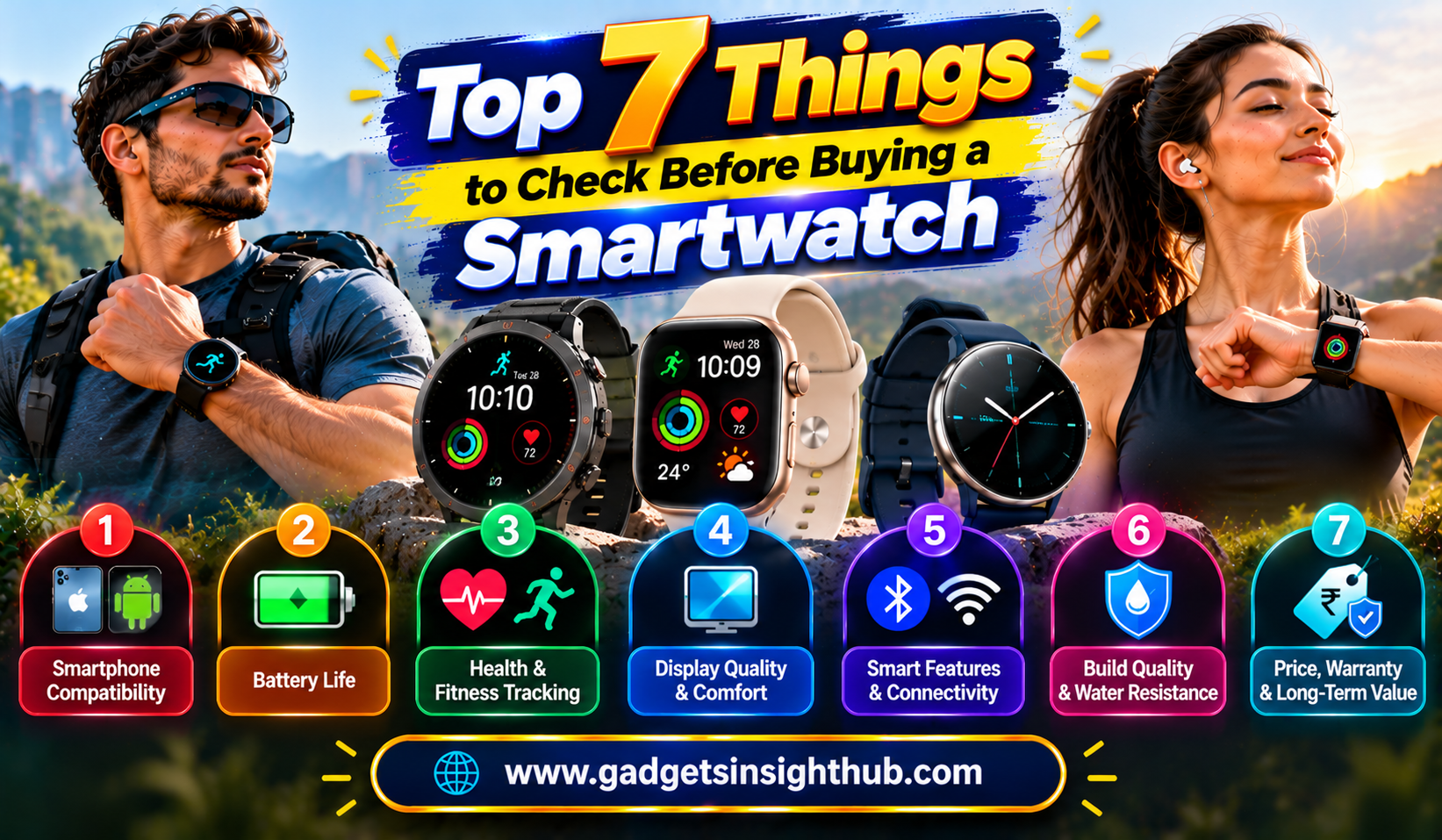
The best smartwatch is not necessarily the model with the longest feature list. Start by identifying your daily needs. If fitness is your priority, compare activity tracking, GPS performance, workout modes, and comfort. If communication matters more, examine notification controls, calling options, and smartphone compatibility.
Battery life deserves careful consideration, especially if you want overnight sleep tracking or regularly complete long workouts. Check realistic operating estimates and understand which features consume the most power.
Health measurements should also be evaluated responsibly. Different devices use different sensors and algorithms, so measurements may vary. Choose a watch that explains its capabilities clearly and provides useful information without making unrealistic medical claims.
Finally, consider price, software support, privacy settings, and compatibility with your existing devices. A smartwatch should simplify your routines rather than require constant adjustments or unnecessary subscriptions.
Conclusion
The most useful smartwatch features are those that make everyday life easier, healthier, and more organised. Heart rate monitoring and activity tracking support fitness awareness, while notifications and GPS improve convenience. Sleep tracking, contactless payments, emergency assistance, voice controls, battery management, and calendar reminders provide additional value for different lifestyles.
Not everyone needs every function. A runner may prioritise GPS and workout statistics, while an office worker may value notifications and scheduling tools. Someone focused on wellness may prefer sleep tracking and comfortable overnight wear.