

Introduction
Technology is changing how you work, communicate, manage your health, and spend your free time. Devices that once seemed futuristic are becoming practical tools for everyday life. From smart glasses that display digital information to wearable devices that track your health, new gadgets are changing what you can expect from personal technology.
The Next Generation of Technology will not depend on powerful computers alone. It will also focus on making devices more intelligent, connected, energy-efficient, and accessible. You can already see this shift in products that combine artificial intelligence (AI), wireless connectivity, advanced sensors, and compact designs.
However, not every new gadget will become essential. The most useful innovations will solve real problems, save time, improve safety, or make digital services easier to use.
Here are ten gadgets that could shape the next generation of technology, along with the features and practical benefits you should understand before investing in them.
1. AI-Powered Smart Glasses
Smart glasses are moving beyond simple audio playback and notifications. Newer designs can combine cameras, microphones, speakers, and AI-powered software to help you interact with digital information without constantly checking your phone.
Depending on the model, you may be able to ask questions, take photographs, receive spoken directions, translate conversations, or access a voice assistant. Some products also support hands-free communication and content creation.
How smart glasses could change everyday life
Imagine walking through an unfamiliar city and asking your glasses for directions. Instead of pulling out your smartphone, you could receive spoken guidance while keeping your hands free.
For professionals, smart glasses may help with remote assistance, equipment inspections, and hands-free documentation. Students could use compatible applications to explore educational information while observing real-world objects.
However, you should check whether a model supports visual displays or only audio and camera features. Many smart glasses do not project information directly onto the lenses. Battery life, privacy controls, prescription compatibility, and phone support also deserve attention.
2. Advanced Smartwatches and Health Wearables
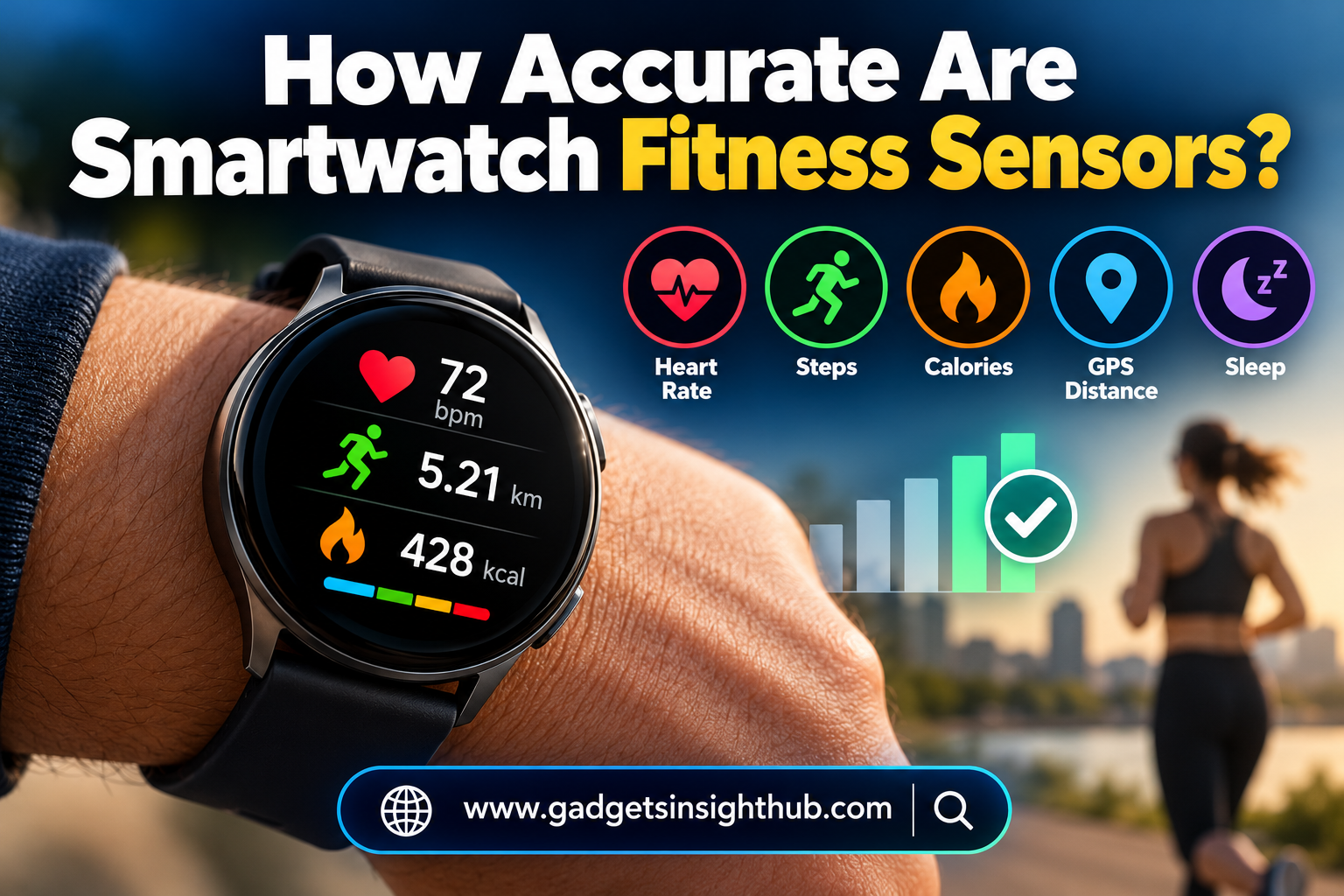
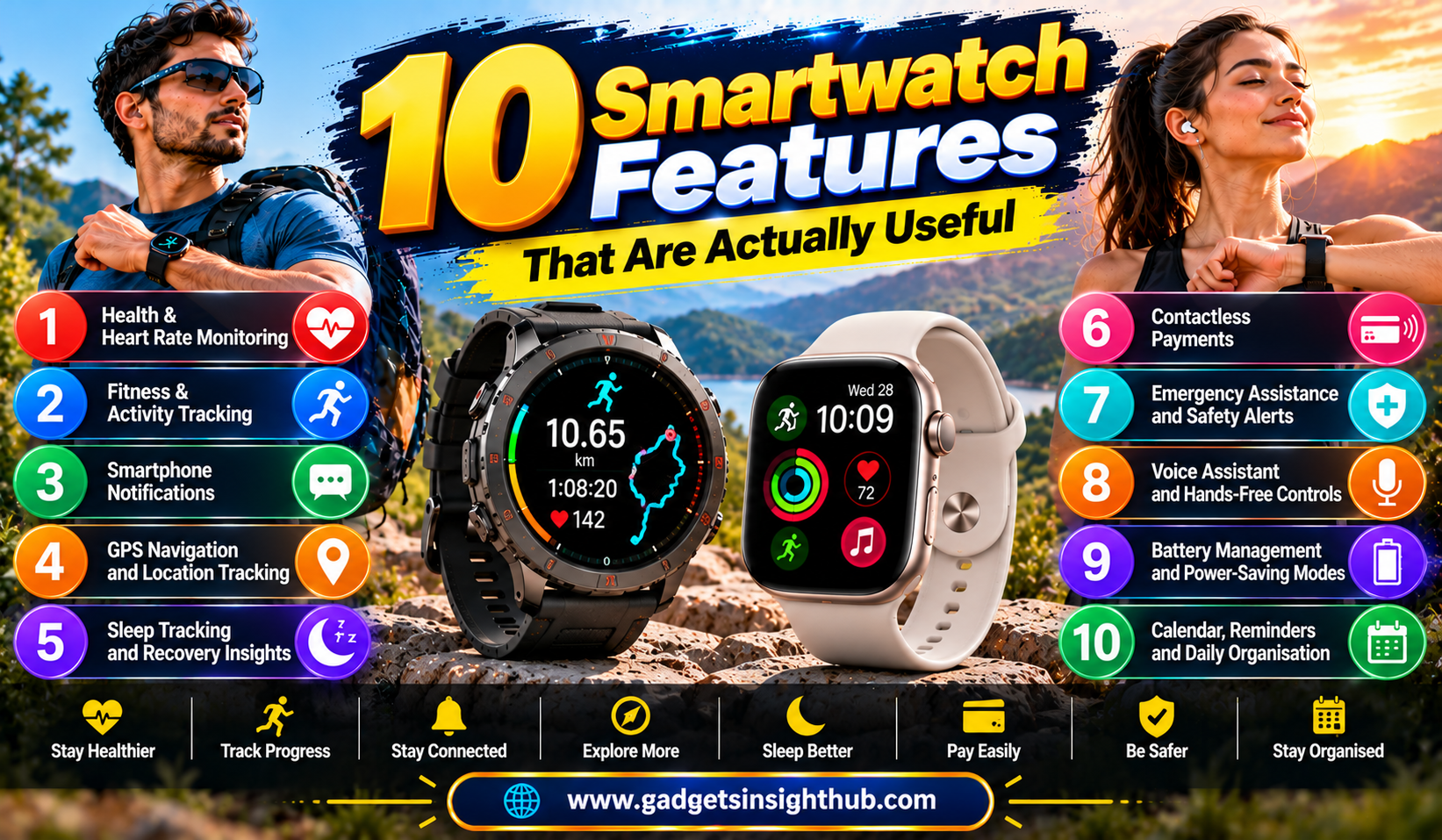
Smartwatches have developed from simple notification devices into personal health and fitness companions. Modern models can track activities, monitor heart rate, estimate sleep patterns, and provide alerts based on selected health measurements.
Depending on the device, you may also find electrocardiogram (ECG) features, blood oxygen measurements, temperature sensing, or fall detection. Availability varies by model, country, and regulatory approval.
Why wearable technology matters
If you want to improve your daily routine, a smartwatch can help you understand your activity levels and sleep habits. You can set movement reminders, review workout records, and identify patterns that encourage healthier habits.
Future wearables may offer more personalized insights by combining information from several sensors. Nevertheless, sensor readings are estimates in many situations, and a smartwatch cannot replace professional medical assessment.
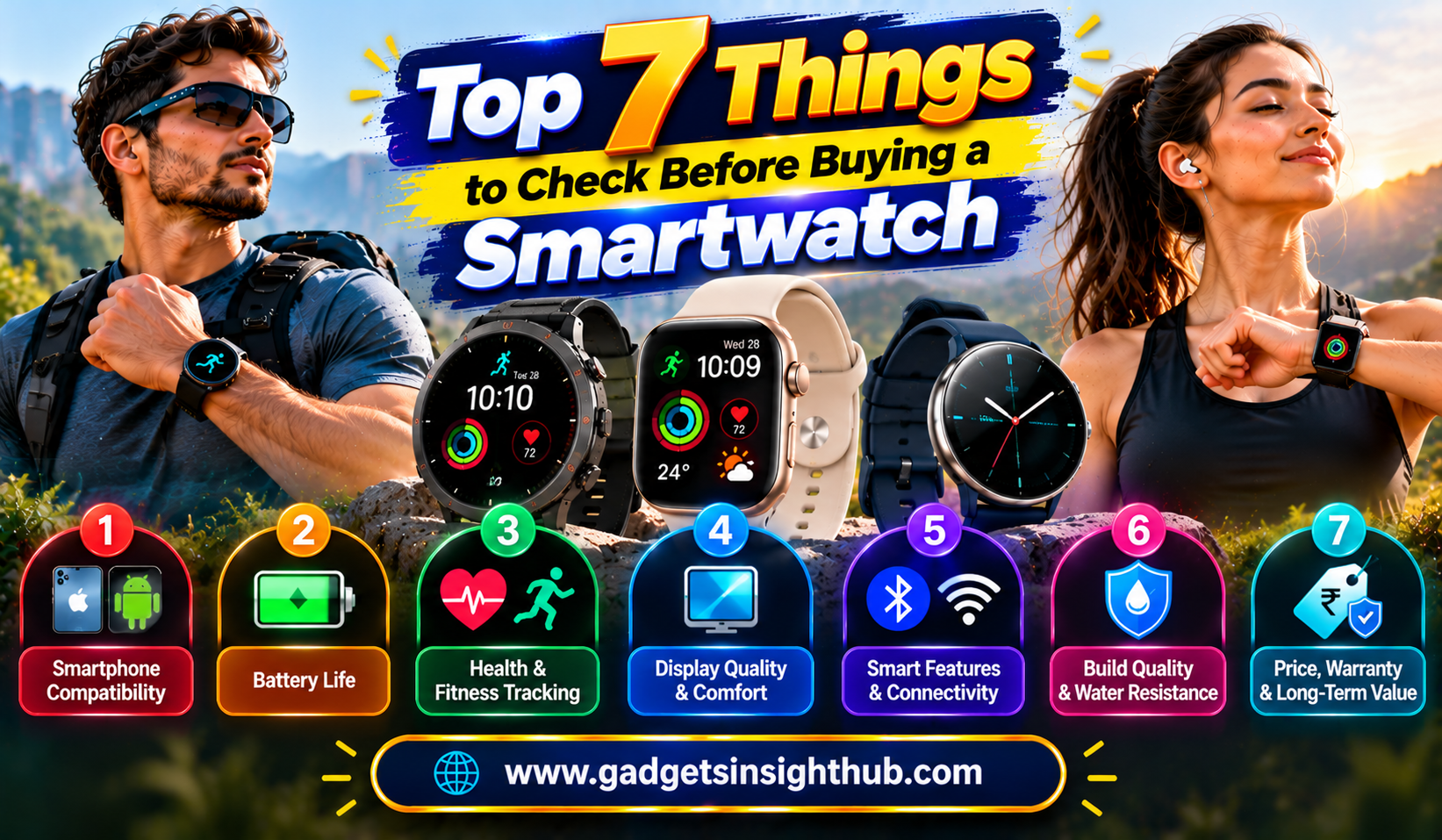
Before buying one, check its compatibility with your smartphone, battery life, subscription requirements, and the health features available in your region.
3. Augmented Reality and Mixed Reality Headsets
Augmented reality (AR) adds digital information to your view of the real world, while virtual reality (VR) places you inside a computer-generated environment. Mixed reality combines elements of physical and digital environments, allowing virtual objects to interact with your surroundings.
Headsets in this category use cameras, motion sensors, displays, and spatial tracking to create immersive experiences.
Practical applications beyond gaming
You could use a mixed reality headset to preview furniture in a room, explore a virtual training environment, or examine a three-dimensional model during a design project.
Businesses can also use these devices for employee training, product demonstrations, and remote collaboration. For example, a technician might follow visual instructions while repairing equipment.
Although these applications are promising, headsets can be expensive and may cause discomfort during extended use. You should also consider their weight, field of view, software library, and computing requirements.
As hardware improves, AR and mixed reality could make digital information feel more closely connected to your physical surroundings.
4. AI-Powered Personal Assistants and Smart Speakers
Smart speakers and AI-enabled home assistants allow you to control compatible devices, ask questions, play music, set reminders, and manage selected household routines through voice commands.
Their capabilities depend on the assistant, connected services, internet access, and supported smart home products.
Making daily tasks easier
You could create a morning routine that turns on compatible lights, reads your calendar, and provides a weather update. You might also use voice commands to set timers while cooking or control a smart thermostat without touching your phone.
Future assistants may handle more complex requests by coordinating several applications and devices. For example, an assistant could help organize a shopping list, schedule a reminder, and control compatible appliances.
However, AI assistants can misunderstand instructions or provide incorrect information. You should review important actions before confirming them and examine microphone settings, voice history controls, and privacy policies.
For the best experience, choose a device that works with your existing smart home ecosystem rather than buying products that cannot communicate with one another.
5. Portable AI Computers and Mini PCs
Compact computers are becoming useful alternatives to large desktop systems for many everyday tasks. Mini PCs, powerful laptops, and AI-capable computers can provide substantial computing performance without requiring a traditional tower setup.
Some newer computers include dedicated neural processing units (NPUs). These components accelerate certain AI workloads, such as supported image effects, background noise reduction, and selected local AI features.
Why compact computing is important
If you work from a small home office, a mini PC can provide desktop functionality while taking up less space. You can connect it to an external monitor, keyboard, mouse, and other accessories.
AI-capable laptops may also process certain tasks locally, depending on their hardware and software. Local processing can reduce dependence on cloud services for supported functions, although it does not automatically make every task faster or more private.
Before choosing a device, consider processor performance, memory, storage, cooling, ports, upgrade options, and power consumption. Also, remember that an AI label does not guarantee superior performance in every application.
These compact systems could help make advanced computing more accessible to students, creators, small businesses, and remote workers.
6. Next-Generation Wireless Earbuds
Wireless earbuds are evolving beyond music playback and phone calls. Depending on the model, they can include active noise cancellation, transparency modes, spatial audio, voice assistants, and hearing-related accessibility features.
Some devices also support live translation through compatible applications and services. However, translation quality, supported languages, and offline availability vary.
A more useful listening experience
If you regularly travel on public transport, active noise cancellation can reduce distracting background sounds. Transparency mode lets you hear more of your surroundings without removing your earbuds.
For remote workers, suitable earbuds can improve call clarity and reduce unwanted background noise. Some models also offer conversation awareness or automatic adjustments when you start speaking.
Future developments may bring more personalized sound processing and better integration with other devices. Even so, you should check microphone quality, comfort, replacement options, water resistance, and battery performance.
Remember that noise cancellation does not make earbuds safe at every volume. Keep listening levels reasonable, particularly during long sessions.
7. Smart Home Energy Management Devices
Smart plugs, connected thermostats, energy monitors, and intelligent lighting systems can help you manage electricity use more conveniently.
These devices connect through technologies such as Wi-Fi, Bluetooth, Zigbee, or Thread, depending on the product. Some require a compatible hub, while others connect directly to your home network.
How connected energy devices help
A smart plug may let you schedule a compatible appliance or check its energy consumption if the model includes monitoring. A smart thermostat can adjust heating or cooling according to supported schedules and settings.
For example, you could arrange for selected lights to switch off automatically when you leave home. You might also review energy readings to identify devices that consume more electricity than expected.
However, savings depend on your existing appliances, electricity rates, usage patterns, and the settings you choose. A smart plug cannot make an inefficient appliance automatically energy-efficient.
Before buying, check electrical ratings, local voltage compatibility, appliance requirements, and security updates. Avoid connecting high-power appliances to devices that are not designed to handle their electrical load.
8. Portable Power Stations and Advanced Power Banks
Portable power stations and power banks help keep essential devices running when wall outlets are unavailable. Modern options offer different battery capacities, charging speeds, output ports, and power delivery standards.
A conventional power bank is suitable for phones, earbuds, and some tablets. Larger portable power stations may support laptops, networking equipment, lights, and selected household devices.
Why better portable power matters
If you travel frequently, a power bank can reduce the need to search for charging points. For remote workers, a compatible portable power station may help keep a laptop and internet equipment operating during a short power interruption.
Battery technology will continue to influence how quickly devices charge, how much energy they store, and how long they last. However, performance depends on battery chemistry, device design, charging hardware, and operating conditions.
When choosing a power bank, check its capacity in watt-hours or milliamp-hours, output wattage, supported charging protocols, and airline restrictions. For a portable power station, compare usable energy capacity with the total power required by your equipment.
You should also consider battery safety, manufacturer guidance, and protection against excessive heat.
9. Smart Security Cameras and Connected Doorbells
Connected security cameras and video doorbells allow you to view activity around your home through a compatible smartphone or computer. Depending on the model, they may offer motion detection, night vision, two-way audio, package alerts, and cloud or local recording.
Some devices use AI to distinguish between people, vehicles, animals, and other movement. The accuracy of these features varies with lighting, camera placement, and software quality.
Improving home awareness
Imagine receiving an alert when someone approaches your front door. You could check the live video, communicate through two-way audio, or review a recording if your device supports it.
For people who travel regularly, connected cameras can provide useful visibility into activity at home. However, they should complement rather than replace appropriate physical security measures.
Before installation, review video storage options, subscription fees, encryption, account security, and software update policies. Use strong passwords and multifactor authentication when available.
You should also respect neighbours’ privacy and check local rules concerning recording public areas or other people’s property.
10. Smart Rings and Compact Personal Sensors
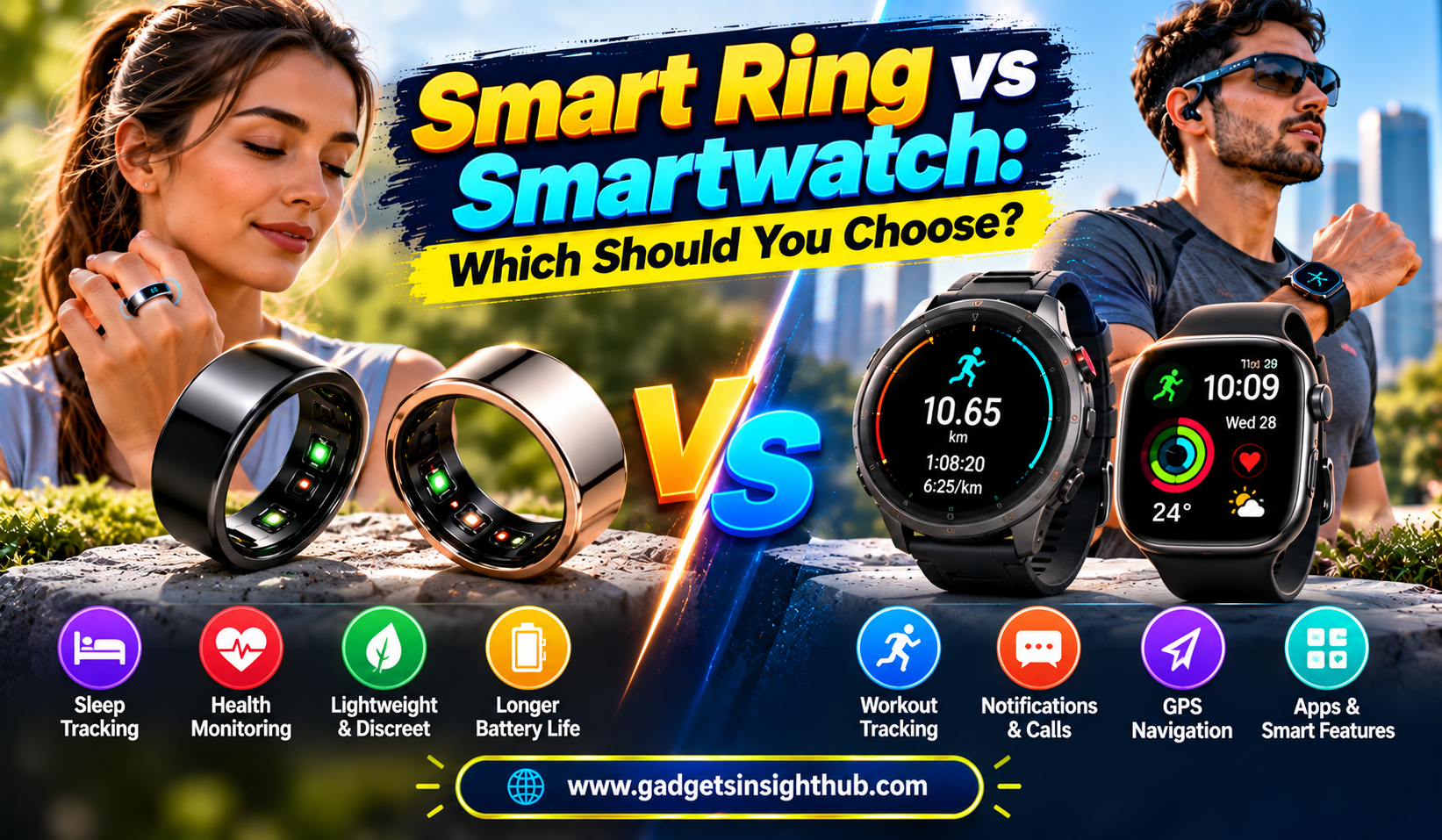
Smart rings offer another way to collect personal activity and wellness information without wearing a traditional smartwatch. These compact devices can include sensors that estimate sleep patterns, resting heart rate, skin temperature trends, and daily activity.
The exact capabilities depend on the product. Some rings focus on wellness tracking rather than notifications, while others integrate with broader health and fitness applications.
When a smart ring makes sense
If you prefer minimal accessories, a smart ring may be more comfortable for everyday tracking than a watch. You can review selected measurements through a companion smartphone application without needing a large screen on your wrist.
Future designs may improve sensor efficiency, battery life, and integration with other personal devices. Still, a ring may not offer GPS, a display, or the detailed workout controls available on certain smartwatches.
Check sizing carefully because finger measurements can change slightly throughout the day. Also, compare charging methods, data export options, subscription costs, and smartphone compatibility.
Smart rings demonstrate how the next generation of technology may become smaller and less noticeable while still collecting useful information.
Key Takeaways: Choosing the Right Future-Ready Gadget
The most advanced gadget is not always the best choice for your needs. Before spending money, consider how often you will use it and whether its features solve a genuine problem.
Keep these points in mind:
- Check compatibility: Confirm that your phone, computer, operating system, and other devices support the product.
- Understand the costs: Consider subscriptions, accessories, repairs, and replacement batteries.
- Protect your information: Review permissions, data storage, privacy controls, and security updates.
- Look beyond marketing: Compare practical features rather than relying on AI labels or futuristic designs.
- Consider long-term support: Choose products with dependable software updates and clear warranty terms.
You do not need to buy every new gadget to benefit from technological progress. One well-chosen device that improves your daily routine can offer more value than several products you rarely use.
Conclusion
The Next Generation of Technology will be shaped by gadgets that combine intelligent software, connected services, compact hardware, and practical everyday features. Smart glasses, health wearables, mixed reality headsets, AI computers, energy management devices, and other emerging products could change how you work, stay connected, and manage your surroundings.
However, their long-term value will depend on reliability, affordability, privacy, and real-world usefulness. When choosing your next gadget, focus on the problems you want to solve, verify compatibility, and compare the features that matter most to you. This approach will help you make smarter technology decisions as new innovations become available.
Frequently Asked Questions
1. What is the Next Generation of Technology?
The Next Generation of Technology refers to emerging and evolving tools, devices, and systems that use advances such as artificial intelligence, connected sensors, automation, and improved computing to make everyday tasks more efficient.
2. Which gadgets are likely to influence future technology the most?
AI-powered computers, smart wearables, augmented reality devices, connected home systems, and advanced personal assistants are among the gadgets that could significantly influence future digital experiences.
3. Are next-generation gadgets compatible with existing smartphones?
Compatibility depends on the product, operating system, connectivity standards, and required applications, so you should check the manufacturer’s specifications before purchasing a device.
4. How can you choose the right future technology gadget?
Choose a gadget that meets your specific needs, fits your budget, works with your existing devices, provides appropriate privacy protections, and receives reliable software support.