

Technology changes quickly, and the gadgets that seem essential today can become outdated sooner than you expect. From smart devices with limited uses to accessories that promise to simplify everyday tasks, many Popular Gadget Trends attract attention without offering enough long-term value. Some introduce useful ideas, while others solve problems you may not have had in the first place.
When you consider your next tech purchase, it helps to look beyond attractive designs and online hype. You should ask whether a device fits your routine, works with your existing equipment, and offers features you will continue using after the excitement fades.
Here are 10 gadget trends that may struggle to remain popular, along with practical examples to help you decide which products deserve your money.
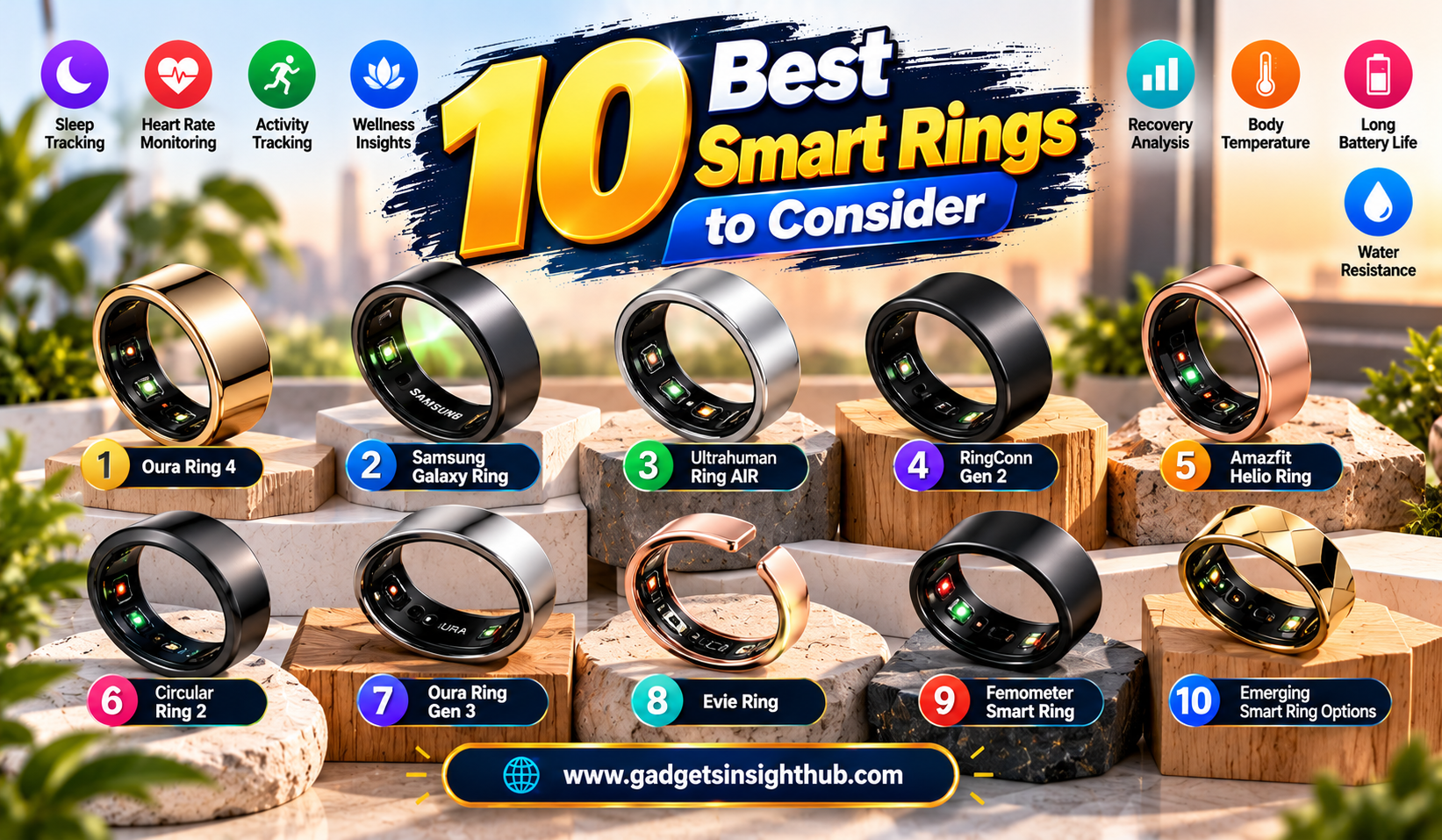
1. Smart Rings With Too Many Limitations
Smart rings have attracted interest from people who want health and activity tracking without wearing a smartwatch. Depending on the model, these compact devices can track sleep patterns, movement, heart rate, and other wellness measurements.
However, their small size creates limitations. Most smart rings do not offer a screen for viewing notifications, checking information, or interacting with apps directly. You usually need a companion smartphone app to review your data.
Battery life, subscription fees, sizing requirements, and compatibility can also influence your experience. Some models require paid memberships for certain insights, so you should check the full cost before buying.
For example, if you already wear a fitness watch that tracks sleep and activity, a smart ring might duplicate features you have. It could still make sense if you prefer a lightweight accessory, but it may not provide enough additional value for everyone.
Why the trend may fade: Buyers may lose interest when a premium wearable offers fewer functions than devices they already own.
2. AI Gadgets That Duplicate Smartphone Features
Artificial intelligence is becoming a common selling point for consumer electronics. Dedicated AI pins, portable assistants, and other compact devices promise quick answers, voice-based interactions, and hands-free assistance.
The challenge is that many of these tasks are already possible on smartphones. You can use voice assistants, AI applications, speech-to-text tools, and image recognition without carrying another device.
A separate AI gadget needs to provide a clear advantage to justify its price. Better hands-free operation, reliable contextual assistance, or useful integration with other equipment could make a product worthwhile. However, slow responses, limited battery life, privacy concerns, or dependence on an internet connection can reduce its appeal.
Before purchasing one, compare its capabilities with the tools available on your phone. Check whether it requires a subscription, sends recordings to cloud services, or stops working properly without connectivity.
Why the trend may fade: Dedicated AI hardware may struggle if it cannot offer a noticeably better experience than smartphone apps.
3. Oversized Portable Power Banks
Portable power banks remain useful, especially when you travel, work outdoors, or use your phone heavily throughout the day. However, extremely large power banks can become inconvenient for everyday use.
A high-capacity model may recharge your phone several times, but it can also add considerable weight to your bag. If you mainly need emergency charging during a commute, carrying a bulky battery might feel unnecessary.
Charging speed is another factor worth checking. A large capacity does not automatically mean faster charging. You should also confirm that the power bank supports the charging standards and wattage required by your phone or laptop.
For example, a compact power bank with suitable USB-C Power Delivery support may be more practical for daily use than a much larger model designed for extended trips.
Remember that airline restrictions can apply to power banks, particularly those with higher battery capacities. Check your airline’s current requirements before travelling.
Why the trend may fade: Consumers may prefer smaller, lighter batteries that balance capacity, charging speed, and portability.
4. Smart Home Devices That Require Separate Apps
Smart plugs, connected bulbs, security sensors, and automated switches can make your home more convenient. Problems arise when every device requires a different application, account, and setup process.
Instead of simplifying your routine, an overcrowded smart home can create extra work. You might need one app for lighting, another for temperature controls, and a third for managing security devices.
Compatibility is especially important. Products that support common smart home standards, such as Matter, may work across multiple compatible platforms. However, Matter support does not guarantee that every feature will work with every controller, so you should check the manufacturer’s compatibility information.
Imagine turning off your bedroom lights before sleeping. A simple routine that controls several compatible devices is convenient. Opening three separate apps to perform the same task defeats the purpose.
Before buying connected equipment, consider whether it works with your existing ecosystem and whether basic functions remain available if your internet connection fails.
Why the trend may fade: Poor integration can turn a convenient smart home into a collection of disconnected gadgets.
5. Cheap Wireless Earbuds With Unnecessary Features
Wireless earbuds have become popular because they are compact, easy to carry, and suitable for music, calls, and video. Yet some budget models compete mainly through long feature lists rather than dependable performance.
You may see claims about advanced noise cancellation, gaming modes, spatial audio, and extended battery life. These features can be useful, but their quality varies between products.
For example, active noise cancellation can reduce certain background sounds, but inexpensive implementations may not perform as well as you expect. Similarly, a gaming mode may reduce audio latency without eliminating it completely.
Comfort, microphone clarity, connection stability, and battery replacement options can matter more than extra settings. If you frequently attend online meetings, clear voice pickup may be more valuable than a collection of effects you rarely use.
You should also check whether the earbuds support the Bluetooth features you need and work properly with your phone or computer.
Why the trend may fade: Buyers may become more selective about practical performance instead of choosing products with the longest feature lists.
6. Foldable Accessories With Limited Everyday Value
Foldable phone stands, compact keyboards, travel screens, and other collapsible accessories promise portability. Their appeal is easy to understand because they take up less space when stored.
However, folding mechanisms introduce additional parts that can wear out or become loose. Some accessories also require more setup than traditional alternatives.
A foldable keyboard, for instance, may help you work while travelling, but a cramped layout can make long typing sessions uncomfortable. A compact phone stand may fit neatly into your pocket but wobble when you tap the screen.
Before buying a foldable accessory, consider how often you will carry it and how much time it saves. Check its stability, materials, dimensions, and warranty.
If you mainly work at a desk, a conventional keyboard or stand may offer better comfort and durability. If you travel frequently, portability may justify the compromise.
Why the trend may fade: Foldable designs can lose their appeal when convenience comes at the expense of reliability or comfort.
7. Single-Purpose USB Gadgets
USB-powered mini fans, decorative lights, novelty heaters, and unusual desktop accessories often become popular because they are inexpensive and easy to demonstrate.
Some are genuinely useful. A compact USB light can improve visibility at a desk, while a small fan may provide personal airflow. The problem is that many novelty gadgets perform one task that existing equipment already handles.
A USB accessory may also occupy a valuable port without delivering much benefit. On laptops with limited connections, this can create an additional inconvenience.
Safety deserves attention, too. USB ports and chargers have power limits, and you should use accessories according to their manufacturer’s instructions. Avoid connecting devices that draw more power than the port or power supply can safely provide.
For example, a simple adjustable desk lamp may be more practical than a novelty USB light that offers decorative effects but provides poor illumination.
Why the trend may fade: Low-cost novelty products can lose demand when their limited usefulness becomes apparent after the initial purchase.
8. Wearables That Send Too Many Notifications
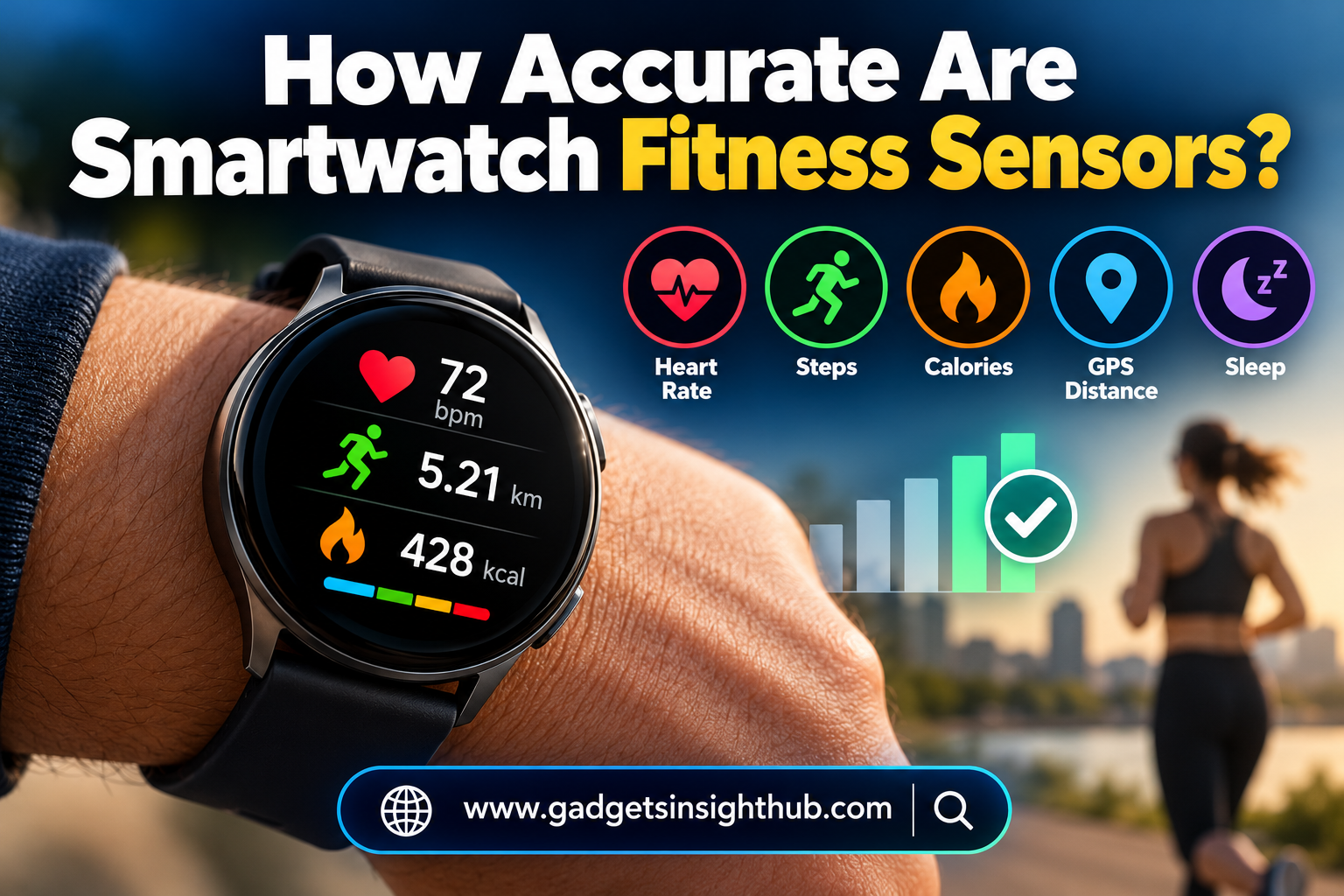
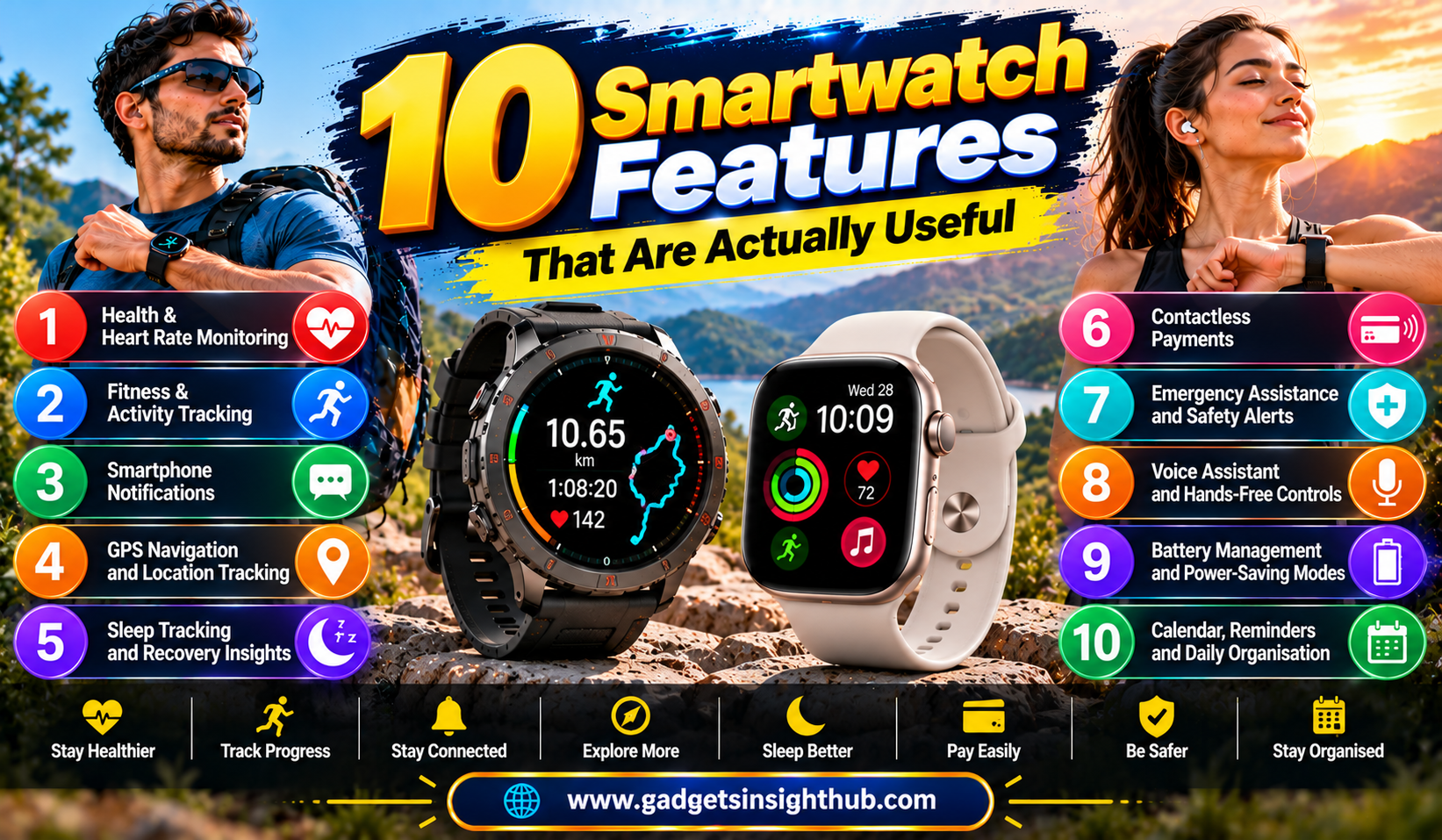
Smartwatches, fitness bands, and connected accessories can help you monitor activity, receive alerts, and manage simple tasks. However, constant notifications can make these devices distracting rather than helpful.
If your wrist vibrates every time an application sends an update, you may find yourself checking your device more often. The convenience of quick access can turn into another source of interruption.
Fortunately, many wearables let you control which notifications appear. Depending on the device, you may also find focus settings, sleep modes, and options to silence alerts during meetings.
For example, you could allow calls and calendar reminders while disabling notifications from shopping apps and social media. This keeps important information available without creating unnecessary interruptions.
When choosing a wearable, look beyond its display and health features. Consider whether its notification controls are flexible enough for your routine.
Why the trend may fade: Users may prefer wearables that deliver relevant information without demanding constant attention.
9. Proprietary Charging Accessories
Magnetic chargers, special docking stations, and manufacturer-specific cables can make charging convenient. However, proprietary accessories may tie you to a particular product or brand.
If an accessory only works with one device, replacing it can become difficult when the manufacturer changes its design or stops selling compatible products. Special connectors can also increase the number of cables you need to carry.
USB-C has helped standardize charging across many phones, tablets, laptops, and accessories. Nevertheless, USB-C alone does not guarantee identical charging speeds, power capabilities, or data-transfer performance.
For example, a laptop may require a higher-wattage USB-C charger than a smartphone. A cable that works for charging may also have limited data-transfer capabilities.
Before buying a device, check whether it supports widely available accessories and whether replacement cables or chargers are reasonably easy to obtain.
Why the trend may fade: Consumers may increasingly favour compatible accessories that reduce clutter and make future upgrades easier.
10. Gadget Subscriptions That Lock Away Basic Features
Some connected devices combine hardware purchases with paid software subscriptions. These services may provide cloud storage, advanced analytics, extended device history, or additional automation options.
Subscriptions can be worthwhile when they offer ongoing value. However, the arrangement becomes frustrating when basic functions depend on recurring payments.
For example, a home security camera might offer live viewing without a subscription but charge for extended cloud recording. A fitness device might provide basic measurements while reserving detailed reports for paying members.
The important question is what happens when you cancel. You should check whether the device continues to function, whether you can export your data, and whether essential features remain available.
Calculate the total cost over several years rather than comparing only the initial purchase price. A seemingly affordable gadget can become expensive when multiple subscriptions are involved.
Why the trend may fade: Buyers may favour products with transparent pricing, useful offline features, and fewer recurring costs.
Innovations in Consumer Electronics
How to Identify Gadget Trends Worth Avoiding
Not every new gadget trend will disappear, and a product that seems unnecessary to one person may be valuable to another. The key is to separate useful innovation from temporary excitement.
Before spending your money, ask yourself these questions:
- Does it solve a real problem? Identify the specific task the gadget will make easier.
- Can your existing devices do the same thing? Check your phone, laptop, smartwatch, or current accessories first.
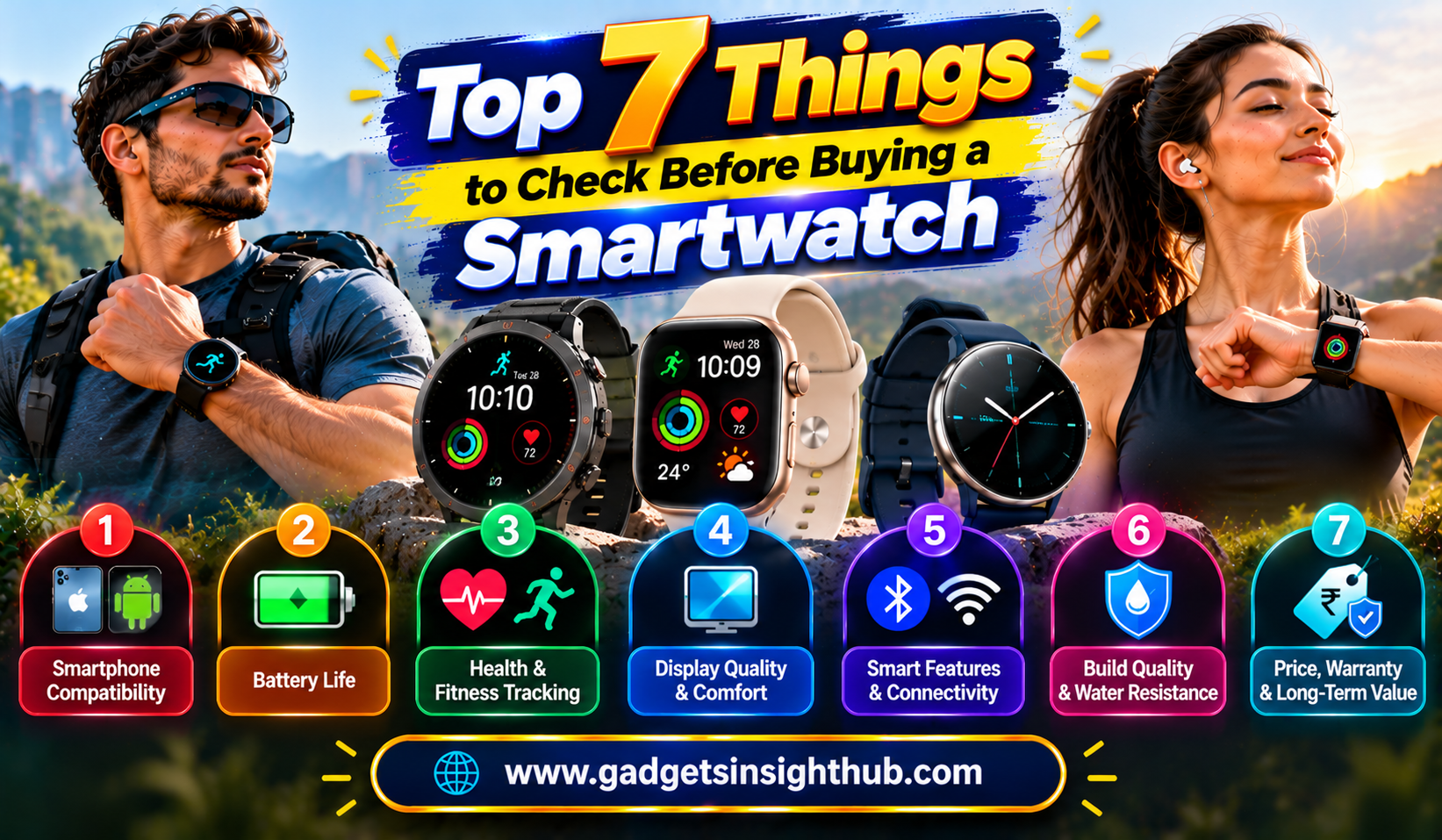
- Will it work with your setup? Confirm operating system support, connectivity requirements, and compatibility with other equipment.
- What is the long-term cost? Include subscriptions, replacement parts, batteries, and compatible accessories.
- Will it remain useful? Look for software support, repair options, and practical features that do not depend entirely on a temporary trend.
These questions can help you make more informed purchasing decisions without dismissing every new technology.
Conclusion
The most exciting Popular Gadget Trends are not always the most practical investments. Smart rings, dedicated AI devices, oversized power banks, and subscription-based accessories can offer genuine benefits, but their value depends on how well they fit your needs.
Before following a trend, compare the promised benefits with the actual cost, compatibility, reliability, and convenience. You do not need every new gadget to keep up with technology. Choosing products that solve real problems is often a better way to build a useful and affordable tech setup.
Frequently Asked Questions
1. Why do some popular gadget trends disappear quickly?
Some trends lose momentum because their products offer limited practical value, cost too much, or duplicate features already available on existing devices.
2. How can you tell whether a new gadget is worth buying?
You can evaluate a gadget by checking its usefulness, compatibility, reliability, long-term costs, warranty, and independent reviews.
3. Are expensive gadgets always better than budget alternatives?
No, because a less expensive gadget can provide better value when it delivers the features, performance, and durability you actually need.
4. Should you avoid buying newly released gadgets?
Not necessarily, but you should compare their specifications, check compatibility, and consider waiting for independent reviews if you are unsure about their reliability.